


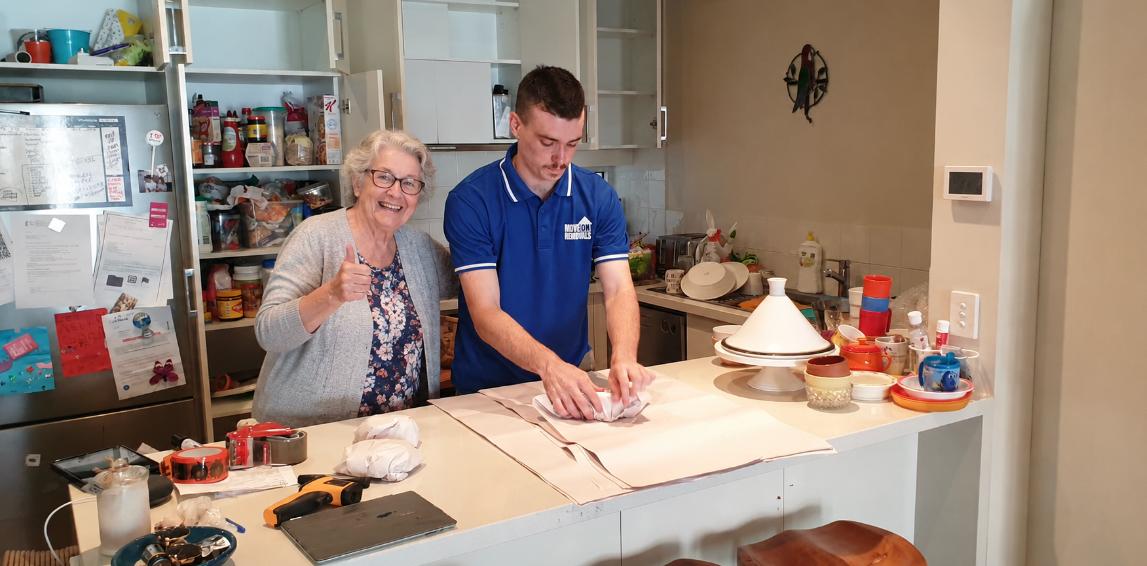
Let’s be honest. Packing is the worst part of moving.
The removalists? They show up, they sweat, they lift heavy things, and they leave. Unpacking? That’s actually kind of fun—like Christmas morning, except you already know you own that weird lamp your aunt gave you.
But packing? Packing is a soul-crushing, tape-gun-jamming, “where did all these books come from?” marathon of bad decisions.
You tell yourself you’ll pack “one room a day.” Then suddenly it’s moving eve, you’re surrounded by half-filled boxes, and you’re throwing kitchen utensils into a garbage bag while crying into a mug of instant coffee.
I’ve been there. Melbourne has been there.
So I wrote this ultimate packing guide for anyone moving in, out, or around this beautiful, frustrating, tram-filled city. No fluff. No “start early” repeated twenty times. Just a system that works.
Whether you’re leaving a Collingwood share house, a Docklands high-rise, or a ground-floor flat in Bentleigh—this is your playbook.
Why Most Packing Guides Lie to You
Most packing guides assume you live in a house with a driveway, a garage full of spare boxes, and unlimited time.
They don’t understand Melbourne apartment living.
They don’t know that you have to store your packed boxes in the corner of your bedroom because there’s no hallway space. They don’t know that your “building’s loading dock” is actually a tiny alcove where delivery vans block each other daily. And they definitely don’t know that you’re moving on a Saturday because you can’t take time off work, which means every man and his dog is also moving.
This guide is different. It’s written for renters, for inner-city dwellers, for people who have to carry boxes down three flights of narrow stairs, and for anyone who has ever said “I’ll just remember which box the kettle is in” and then absolutely did not remember.
The Golden Rule of Packing (Read This First)
Here it is. The one rule that separates smooth moves from disasters:
Pack by room, not by category.
Do not pack all your books first. Do not pack all your clothes first. Do not decide that “today is kitchen day” unless you’re actually packing the entire kitchen from one room.
Why? Because when you arrive at your new apartment, removalists need to know where each box goes. If a box says “LIVING ROOM – Books & DVDs” they can put it in the living room. If it says “MISCELLANEOUS – Books, a toaster, and winter coats” they will put it in the hallway and you will hate yourself at 9pm when you’re searching for a fork.
One room. One set of boxes. Label everything.
That’s it. That’s the secret.
What You Need Before You Pack (The Melbourne Kit)
You cannot pack well with bad tools. Here’s your shopping list. Most of this is available at Bunnings, Kmart, or Officeworks in Melbourne.
Boxes
- Small boxes (book size): For heavy things (books, tools, canned food). Get 5–10.
- Medium boxes (wine box size): For most things (kitchenware, clothes, electronics). Get 15–25.
- Large boxes (wardrobe size): For light, bulky things (pillows, linen, soft toys). Get 3–5. Do NOT put heavy items in large boxes. You will not be able to lift them.
Where to get free boxes in Melbourne: Bunnings (just ask at the checkout), Dan Murphy’s (wine boxes are perfect for heavy items), local Facebook Marketplace (people give them away constantly), or your workplace (printer paper boxes are gold).
Tape and Dispenser
- Get a proper tape gun with a handle. Your wrists will thank you. Cheap hand rollers are for amateurs.
- Get 3–4 rolls of heavy-duty packing tape. Clear or brown, doesn’t matter.
Markers and Labels
- Thick black markers (Chisel tip). Write large. Write clearly.
- Pre-printed “Room” labels or just use coloured duct tape. Red for kitchen, blue for bedroom, etc.
Wrapping Materials
- Bubble wrap (buy a big roll from Bunnings or a moving company).
- Packing paper (don’t use newspaper—the ink transfers onto your stuff).
- Furniture blankets (hire these from your removalist, or buy cheap ones from Vinnies).
- Plastic wrap/stretch wrap (for keeping drawers closed and protecting upholstery).
The Melbourne-Specific Additions
- Waterproof plastic tubs (for one reason: Melbourne weather. If it rains during your move, cardboard boxes turn to mush. Put electronics, important documents, and your “first night” kit in plastic tubs.)
- A permanent marker that works in the rain (yes, they exist. Ask at Officeworks.)
- Hand sanitiser and a towel (you will get sweaty and dusty. Moving in Melbourne summer is no joke.)
The 7-Day Packing Timeline (Actually Realistic)
Forget “start three weeks early.” Most people don’t. Here’s a timeline that works for a normal, busy human moving a 1 or 2-bedroom apartment.
7 Days Before Move Day
Goal: Gather supplies and pack the stuff you never use.
- Collect boxes and materials.
- Pack out-of-season clothes (winter coats in summer, summer dresses in winter).
- Pack books you’ve already read (be honest, you’re not re-reading them this month).
- Pack decorative items, photo frames, and wall art (wrap carefully).
- Pack camping gear, sports equipment, and suitcases.
One rule: Seal these boxes immediately. Write “Bedroom – Books” or “Storage – Winter clothes” on the side. Stack them in a corner. You’re done with those items forever (until you unpack).
5 Days Before Move Day
Goal: Pack the guest room / spare room/home office.
- Pack office supplies, files, stationery.
- Pack guest bedding (you won’t have guests until you’re unpacked anyway).
- Pack hobby items (craft supplies, musical instruments, etc.).
- Disassemble any simple furniture (small desks, bookshelves). Put screws in a labelled ziplock bag and tape it to the furniture piece.
3 Days Before Move Day
Goal: Pack the living room and dining room.
- Wrap and pack fragile decorative items (vases, candles, picture frames).
- Pack bookshelves completely. Books go in small boxes. Yes, it’s annoying. Do it anyway.
- Pack DVD/Blu-ray collections (if you still have those). Small boxes.
- Pack dining table items (placemats, napkins, fancy tablecloths).
- Wrap table lamps individually (remove bulbs first—bulbs go in a separate small box marked “FRAGILE – Lightbulbs”).
Critical step: Take a photo of your entertainment unit wiring before unplugging anything. You will thank me later.
2 Days Before Move Day
Goal: Pack the bedroom (except what you need for two more nights).
- Pack all clothes except: 2–3 outfits, pyjamas, underwear for 3 days.
- Pack shoes you won’t wear this week.
- Pack linen and towels (except one towel per person).
- Pack jewellery and valuables—these go in YOUR car, not the moving truck. (More on that later.)
- Take apart the bed frame (keep screws in a bag taped to the frame).
- Leave the mattress until moving morning.
1 Day Before Move Day
Goal: Pack the kitchen and bathroom except daily essentials.
- Kitchen first: Pack all pantry items (check expiry dates—no point moving a tin of beans from 2019). Pack pots, pans, baking trays (nest them with packing paper between). Pack mugs, glasses, plates—use small boxes; wrap each item individually. Pack utensils, knives (tape cardboard over the blades), and gadgets.
- Bathroom second: Pack toiletries (seal liquids in ziplock bags inside the box). Pack towels (except one per person). Pack bathroom accessories (soap dispensers, toothbrush holders). Leave out: toothbrush, toothpaste, soap, toilet paper, one towel per person, any daily medications.
The evening before: Pack a “First Night” box (see below). Put it in your own car or a clearly marked spot. Pack your suitcase with clothes for the next 2–3 days.
Moving Morning
Goal: The final sweep.
- Pack phone chargers and laptops (in your personal bag).
- Empty the fridge. Defrost it. Wipe it dry. Leave the door open with a towel inside to absorb moisture. (But best to do the night before if possible)
- Take down curtains or blinds (if you own them).
- Do one final walkthrough. Check every cupboard, every drawer, every shelf. Melbourne renters know: the agent will charge you $50 to remove that one lost sock behind the dryer.
The “First Night” Box (Your Lifesaver)
This is the most important box you will pack. Do not put it on the moving truck. Keep it in your car.
Label it in giant letters: “OPEN FIRST – DO NOT LOSE”
Inside, put:
In the kitchen:
- Kettle and one mug per person (plus tea bags or instant coffee)
- A few spoons and a can opener
- Snacks (muesli bars, fruit, biscuits)
- Bottled water (Melbourne tap water is great, but you need something tonight)
In the bathroom:
- Toilet paper (non-negotiable)
- Hand soap and hand towel
- Shampoo, conditioner, shower gel (travel sizes)
- Toothbrushes and toothpaste
- Any medications you need
- A hair towel (nobody wants a dripping head at midnight)
In the bedroom:
- Pyjamas
- Phone charger and power board
- A basic tool kit (screwdriver, scissors, tape measure)
- Light bulbs (in case the new place has blown globes)
- Painkillers (moving hurts)
- Power board with USB ports
General:
- First aid kit (band-aids, antiseptic, etc.)
- Multi-plug adapter
- A roll of toilet paper (yes, twice—you’ll thank me)
- Hand sanitiser
If you pack nothing else perfectly, pack this box. It’s the difference between a chaotic, tearful first night and a mildly annoying but survivable one.
How to Pack Fragile Items (So Nothing Breaks in a Melbourne Tram Bump)
Melbourne roads have potholes. Trams shake. Trucks brake suddenly. Your boxes will get jostled.
Here’s how to pack fragile stuff so it arrives intact.
Glasses and Mugs
- Wrap each one individually in packing paper.
- Place them in the box vertically (rim down for glasses, handle inwards for mugs).
- Put a layer of crumpled paper at the bottom of the box.
- No empty space. Fill gaps with more crumpled paper or bubble wrap.
- Write “FRAGILE – GLASSES” on all four sides of the box (not just the top).
Plates and Bowls
- Stack plates with a layer of packing paper between each one.
- Wrap the whole stack in bubble wrap.
- Place them vertically in the box (like records, not like pancakes). This reduces stress on the edges.
- Pad the bottom and sides generously.
Electronics
- Take photos of the back before unplugging.
- Use original boxes if you still have them (you don’t, let’s be real). Use towels or bubble wrap instead.
- Put screens (TVs, monitors) in padded bags or wrap in furniture blankets.
- Label cables: use masking tape tags saying “TV,” “PlayStation,” etc.
Art and Mirrors
- Use mirror boxes (long, flat boxes from removalists).
- Never use standard bubble wrap on art—the bubbles can imprint. Use paper or foam sheets.
- Tape a cardboard “X” across mirrors and glass frames to reduce shatter risk.
The Cardboard X Trick
For any large glass surface (mirror, picture frame, glass tabletop), tape a large X across the back using masking tape. It holds the glass together if it cracks. It won’t stop a break, but it’ll stop shards from raining through your box.
The “Don’t Pack These” List (Learn From My Mistakes)
Some things should not go in boxes. Some things shouldn’t go on the truck at all.
Do NOT pack these in boxes:
- Important documents (passports, birth certificates, lease agreements, visas). Keep them in a folder in your personal bag.
- Cash, jewellery, or valuables. These go in your car, not the moving truck.
- Medications you need daily. Keep a 3-day supply in your handbag or backpack.
- Phone, laptop, tablet, chargers. You need these until the last minute.
- Your “First Night” box (as shown above).
Do NOT put these on the moving truck at all (seriously):
- Perishable food (anything that needs a fridge or will rot in a hot truck).
- Plants. Melbourne movers generally won’t take them (liability). Transport them in your own car.
- Petrol, paint, cleaning chemicals, aerosols. They’re hazardous and removalists will refuse them.
- Pet food and pet supplies (you’ll need them immediately at the new place—keep them with you).
- Weapons or flammable items (obvious, but worth saying).
Melbourne-Specific Packing Hacks (Inner-City Wisdom)
These aren’t in the generic guides. These are from people who have moved in and out of Melbourne apartments more times than they’d like to admit.
Hack #1: The IKEA Bag Shortcut
Those big blue IKEA bags are perfect for soft, bulky items—pillows, duvets, towels, stuffed toys, clean laundry. They’re waterproof, they have handles, and they can be squished into lifts and stairwells. Use them alongside boxes.
Hack #2: Suitcases Are Moving Boxes
You already own suitcases. Fill them with clothes, shoes, and soft items. Wheels make them easy to move. And you don’t have to unpack them afterwards—just live out of your suitcase for a week. No shame.
Hack #3: Vacuum Bags for the Win
Melbourne apartments have tiny wardrobes. You’ve probably already used vacuum storage bags. Use them for moving too. A vacuum bag of winter coats takes up 80% less space. That means fewer boxes, fewer trips, less time in the lift.
Hack #4: The Dishwasher Packing Method
If your new apartment has a dishwasher, use it as temporary storage. Put fragile items (wrapped) in the dishwasher racks and close the door. They’re safe, they won’t shift during transport, and you’ll find them when you unload the dishwasher later.
Hack #5: Take a Video Walkthrough
Before you seal any boxes, take a video of every room. Open drawers. Show the back of cupboards. This does three things: 1) You’ll remember what you packed where, 2) You’ll have evidence for your bond clean if the agent claims you left damage, and 3) if there are any unforeseen damages to your belongings that weren’t there before the move, you have proof to show the moving company, which will help you get the insurance claim processed quicker.
How Many Boxes Do You Actually Need? (Real Numbers)
Stop guessing. Here’s the honest box count by apartment size.
Studio apartment (one person, minimal furniture):
- Small boxes: 3–5
- Medium boxes: 8–12
- Large boxes: 1–2
- Suitcases: 2
1-bedroom apartment (one or two people):
- Small boxes: 5–8
- Medium boxes: 12–18
- Large boxes: 2–4
- Suitcases: 3–4
2-bedroom apartment (two people, normal amount of stuff):
- Small boxes: 8–12
- Medium boxes: 20–30
- Large boxes: 4–6
- Suitcases: 4–6
3-bedroom apartment (family or housemates):
- Small boxes: 12–15
- Medium boxes: 30–40
- Large boxes: 6–10
- Suitcases: 6–8
If you run out, you can always grab more from Bunnings or a local supermarket. But starting with these numbers will save you a last-minute panic run.
The Final Walkthrough Checklist (Don’t Skip This)
You’ve packed everything. The truck is outside. The removalists are waiting. Do this 5-minute check before you hand over the keys.
Kitchen: Check every cupboard, drawer, and the pantry. Check inside the oven (yes, people leave trays in there). Empty the dishwasher.
Bathroom: Check the medicine cabinet. Check under the sink. Check the shower caddy. Take the shower curtain (unless it’s the landlord’s).
Bedroom: Check inside the wardrobe (top shelf, floor, behind doors). Check under the bed. Check bedside tables.
Living room: Check behind the TV unit. Check inside entertainment furniture. Check window ledges. Check any storage ottomans or benches.
Laundry (if separate): Check the dryer filter. Check the laundry tub. Check any cupboards.
Hallway and storage: Check the linen closet. Check the broom closet (mops, vacuums, buckets). Check the shoe rack area.
Balcony or courtyard: Check pot plants (are they yours or the building’s?). Check outdoor furniture. Check drying racks.
Final step: Take photos of every empty room. Timestamp them. You’ll need them for your bond claim.
The Bottom Line (Because You’ve Got Packing to Do)
Packing for a move in Melbourne doesn’t have to be a nightmare. But it does need a plan.
Here’s your cheat sheet:
- Pack by room, seal immediately, label clearly.
- Start 7 days out with the stuff you never use.
- Pack the “First Night” box and keep it in your car.
- Use small boxes for heavy things (books, cans, tools).
- Protect fragile items with paper and bubble wrap.
- Keep valuables and documents with YOU, not the truck.
- Use IKEA bags, suitcases, and vacuum bags as extra weapons.
- Do the final walkthrough with the checklist above.
And here’s the Melbourne truth: Even if you do all of this perfectly, something will go slightly wrong. A box will rip. A mug will chip. You’ll realise you packed the toilet paper in a box at the bottom of the stack.
That’s okay. That’s moving.
But if you follow this guide, you won’t be crying into instant coffee at midnight. You’ll be sitting on your new floor, eating takeaway, and laughing about that one box you labelled “Kitchen – Mugs” that actually had your shoes in it.
Now go find some boxes. You’ve got this.
Need help with the heavy lifting? We specialise in Melbourne apartment moves—from packing support to full-service moving. Move On Removals is here to help. Get a free quote and one less thing to stress about.
